
📊 How to Read a Pay Stub in 2025—and What Hidden Fees to Watch For

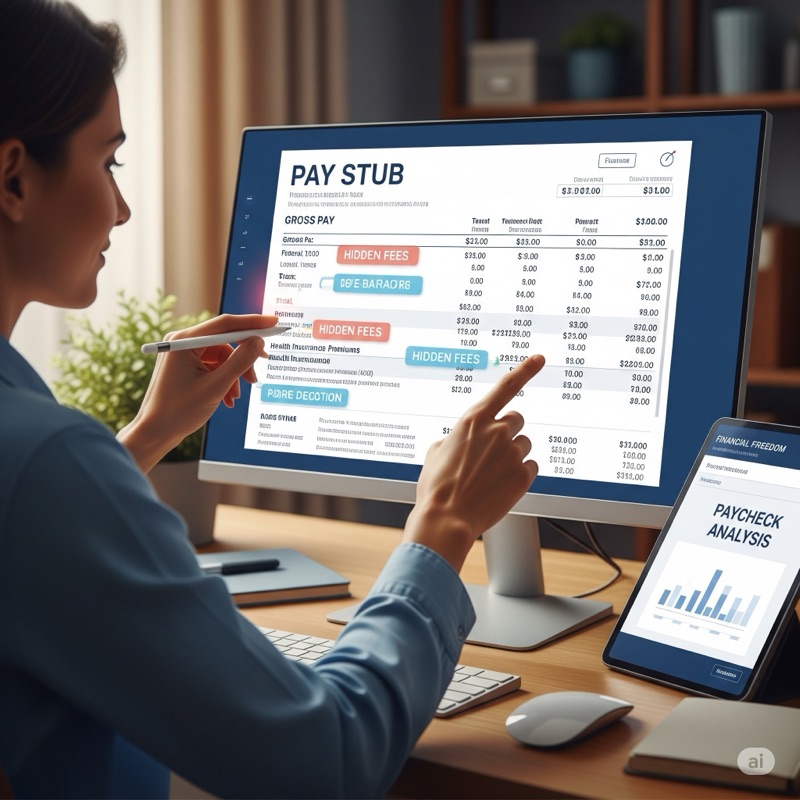
Pay stubs in 2025 are packed with info—but many employees still don’t understand them. Between rising payroll taxes, gig work deductions, and employer contributions, it’s easy to miss where your money is going.


Break it down: look at gross pay, federal/state tax withholdings, Social Security, and Medicare. Check for employer contributions to retirement or HSA plans. Watch for sneaky deductions like uniform fees, equipment rentals, or garnishments.


đź“‹ Tip: Use your pay stub to track annual income projections and spot discrepancies in hours worked or pay rate.


Know your numbers—because financial awareness starts with your paycheck.

#PersonalFinance, #FinancialFreedom, #MoneyTips, #Budgeting, #SavingMoney, #Investing, #DebtFree, #FinancialLiteracy, #Wealth, #FrugalLiving, #MoneyManagement, #RetirementPlanning, #SideHustle, #PassiveIncome, #CreditScore, #StudentLoans, #FinancialGoals, #FinTok, #MoneyMindset, #FinancialEducation
Comments

Popular posts from this blog

Top 10 Ways to Master Your Money in 2025

The financial landscape is constantly evolving, and what worked for managing your money a few years ago might not be the most effective strategy in 2025. To help you stay ahead of the curve and achieve your financial goals, we've compiled the top 10 ways to master your personal finance in the coming year. 1. Embrace AI-Powered Budgeting and Tracking: By 2025, Artificial Intelligence will play an even larger role in personal finance. Expect sophisticated budgeting apps that not only track your spending but also offer personalized insights, predict future cash flow issues, and even automatically adjust your spending based on your goals. 2. Automate Everything (Smartly): Automation will be key to simplifying your financial life. Set up automatic transfers for savings, investments, and bill payments. Smart automation will go a step further, optimizing the timing and amounts based on your income and spending patterns. 3. Prioritize Sustainable and Ethical Investing: Environm...

đź’ł Rebuilding Credit in 2025: What’s Changed and What Still Works

Rebuilding credit in 2025 looks different than it did a decade ago. New credit scoring models now use trended data, Buy Now Pay Later (BNPL) activity, and even rental history in their calculations. That means your everyday habits—like paying utilities on time—now matter more than ever. Digital credit-building tools like Experian Boost and Kikoff can help you improve your score without a credit card. But traditional strategies still work too: lower your credit utilization, pay on time, and dispute errors on your report. 📱 Pro tip: Regularly monitor your credit score through apps like Credit Karma or your bank’s mobile app. Your credit is more than just a number—it’s your passport to better interest rates, rentals, and even job opportunities.

đź’ł How to Rebuild Your Credit Score From Scratch

Your credit score doesn’t define your worth—but it does influence your financial future. Whether you’ve made a few mistakes in the past or are starting over completely, the good news is you can rebuild your credit score from scratch. It takes time, consistency, and a solid plan—but the results are worth it. In this post, we’ll walk you through practical steps to rebuild your credit score, even if you’re starting from zero or recovering from major setbacks. 🔍 What Is a Credit Score and Why Does It Matter? A credit score is a three-digit number ranging from 300 to 850 that represents your creditworthiness. Lenders use it to determine how likely you are to repay borrowed money. The higher your score, the better your chances of getting approved for credit cards, loans, mortgages—and at better interest rates. Here’s a quick breakdown of the credit score ranges: Excellent: 800–850 Very Good: 740–799 Good: 670–739 Fair: 580–669 Poor: 300–579 đź›  Step 1: Check Your C...